LIVING WITHOUT ELECTRICITY – 100 YEARS
 Want a hot cup of coffee before heading out to do winter chores?
In the early days, that was no simple task. After crawling out of bed in a house that had cooled considerably overnight, the first order of business was to light a fire in the kitchen’s wood cookstove. It took at least half an hour for the stove’s surface to heat enough to brew a pot of coffee—then more time still for the water to reach a boil and receive the coffee grounds.
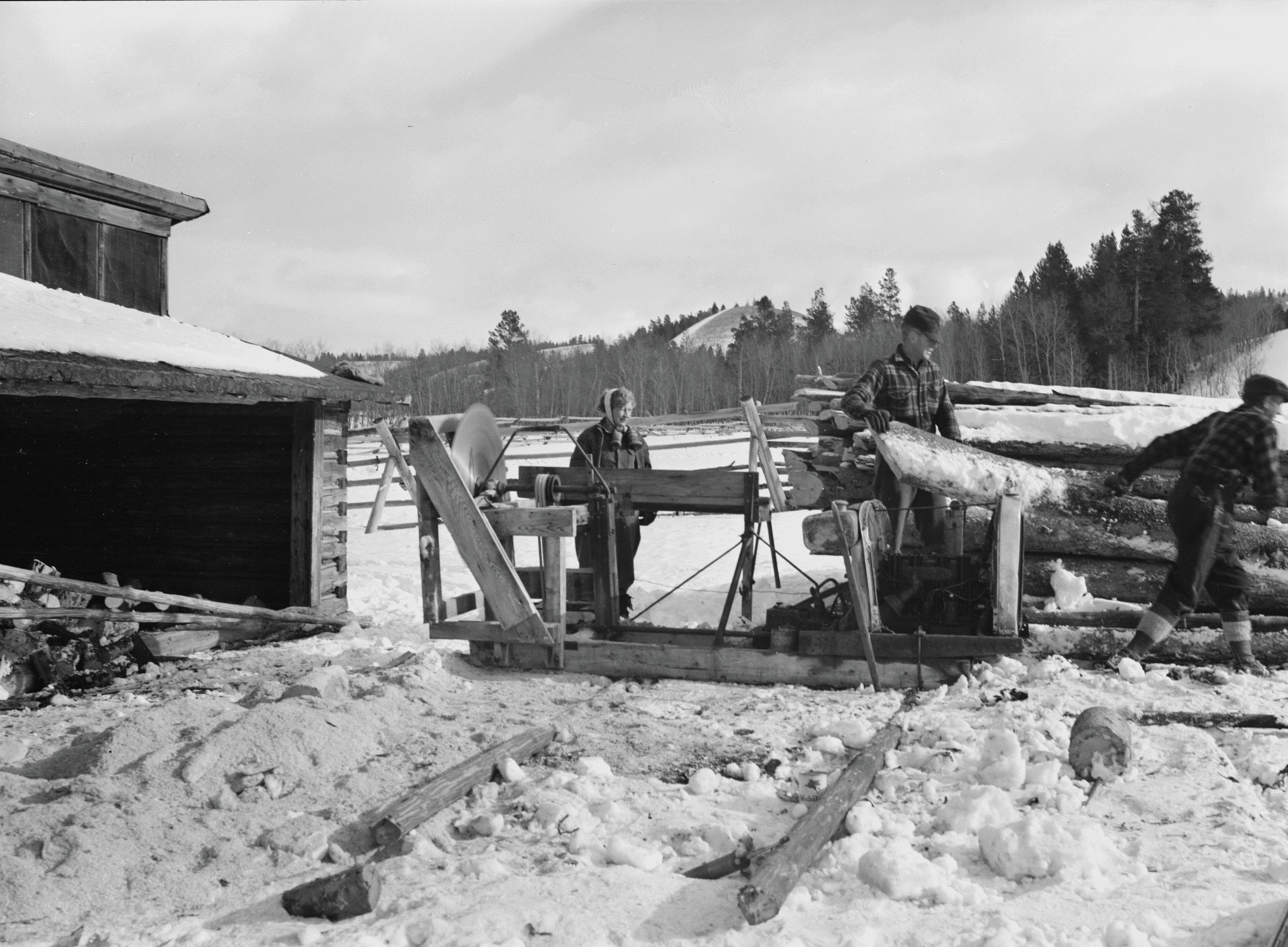
For the first twenty-five years of the Triangle X’s operation, there was no rural electrical power at the ranch. It took literal mountains of firewood to endure the long Wyoming winters. Fires had to be kept burning all day to heat the home, cook food, and warm water for bathing and laundry. In Jackson Hole, the only available firewood came from pine, aspen, and cottonwood trees—soft woods that burned quickly and demanded constant replenishing.
In the “Main House” where Turners used to live, to conserve fuel, only two rooms were heated: the sitting room (now the staff dining room) and the kitchen (now the kids’ dining room). A small ceiling vent in the kitchen helped direct warmth to the upstairs bathroom. The rest of the lodge remained unheated, with temperatures often close to the outdoor chill. The Turner children recalled that going to bed took real courage—diving under piles of quilt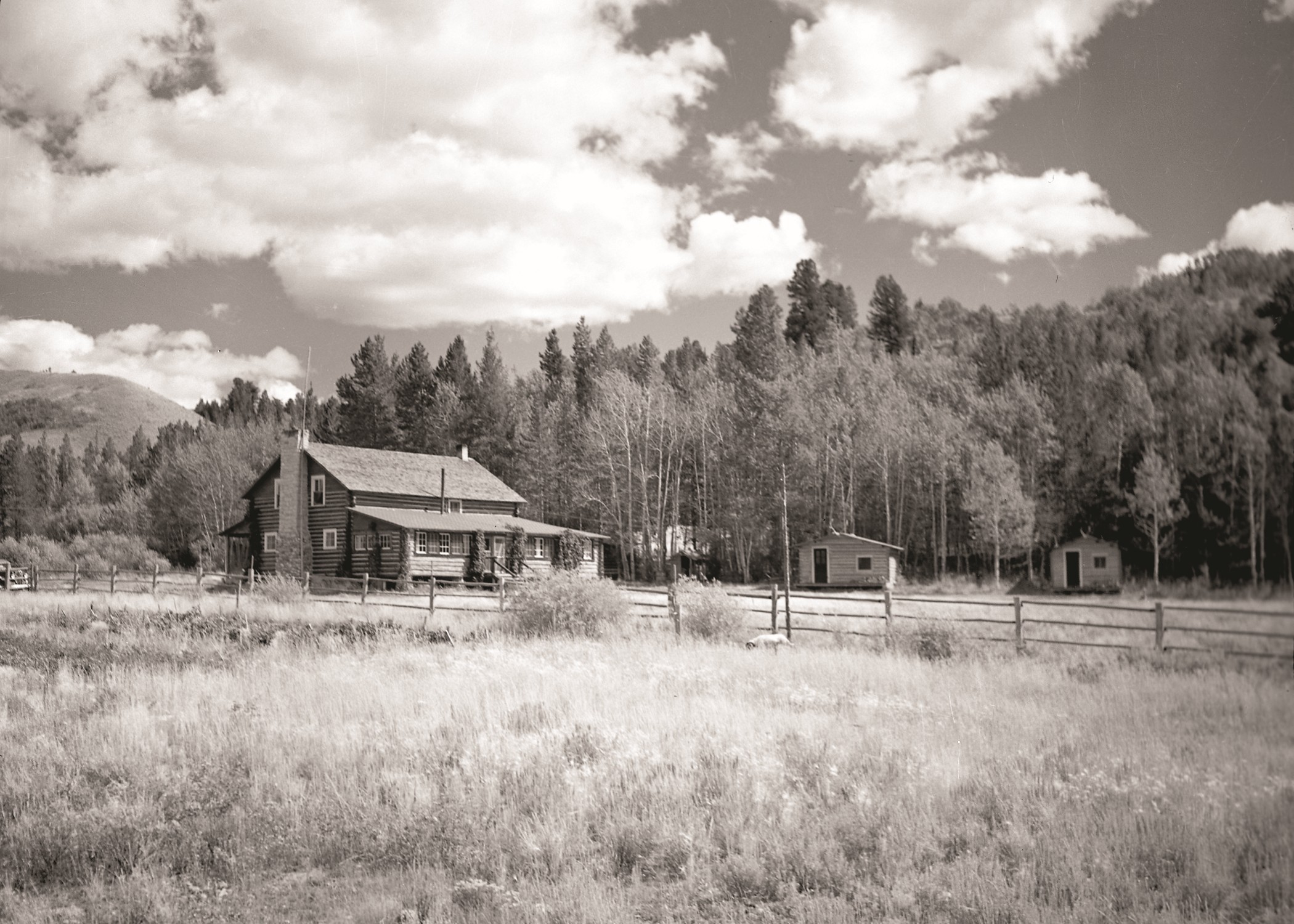 s and waiting until body heat finally brought a bit of comfort.
Guest cabins were treated to hot water each morning, thanks to woodstove water heaters attached to the back of each cabin. A ranch hand would quietly make his way down the cabin line at dawn, lighting the fires before guests awoke.
Ranch work, too, was done without the convenience of power tools. All buildings and furniture were built entirely by hand. Years later, a touch of modern luxury came in the form of an old diesel generator and a few storage batteries installed in the lodge basement. That small system provided a couple of precious hours of electric light each evening—a modest but welcome comfort after a long day of life off the grid.